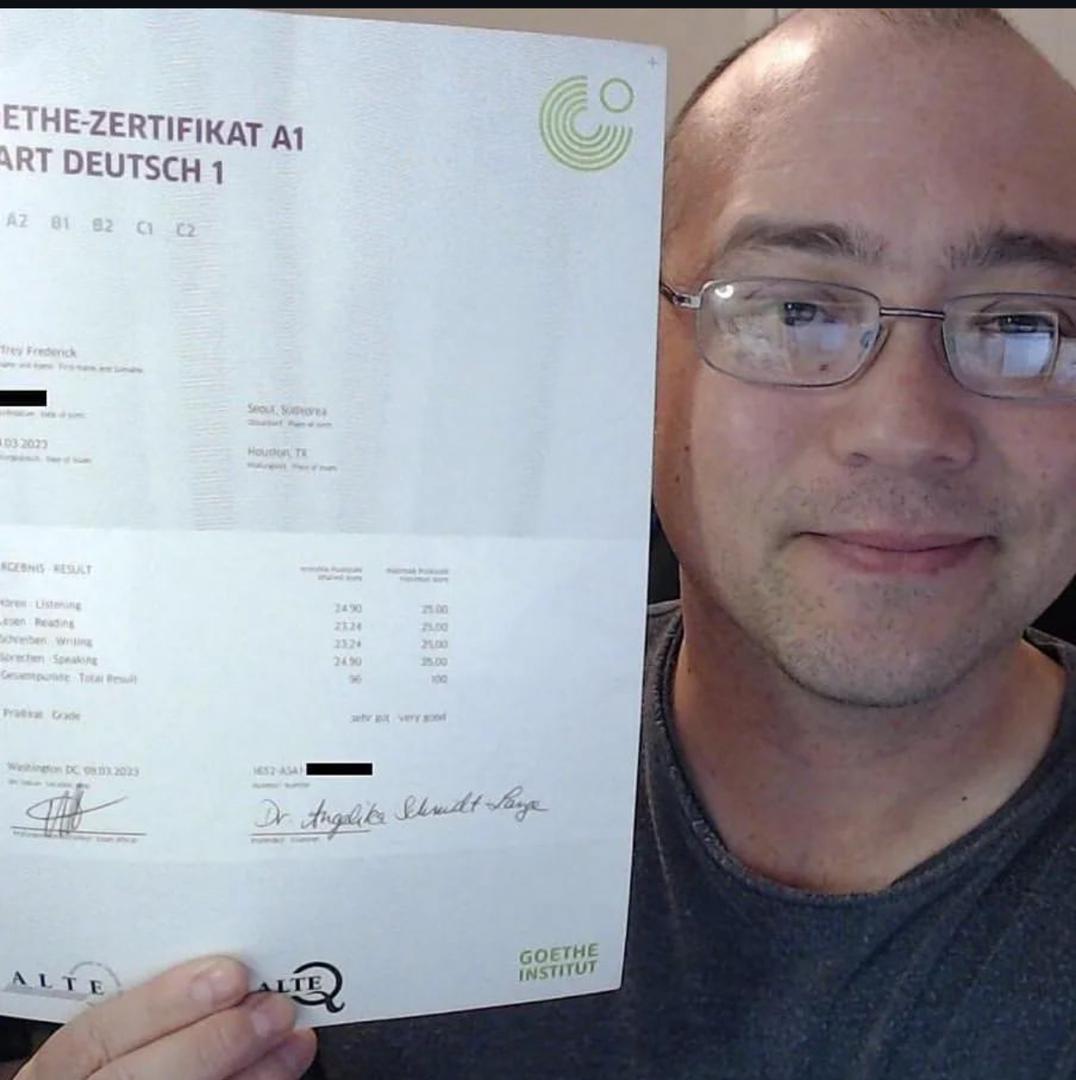
Understanding the ÖSD Certificate: An Essential Guide for German Learners
The ÖSD (Österreichisches Sprachdiplom) certificate, or the Austrian Language Diploma, is an important asset for anyone aiming to prove their efficiency in the German language. Recognized globally, this diploma assesses a student's capability to interact effectively in German, and it substantially enhances work and academic chances. This blog site post will offer a comprehensive overview of the ÖSD certificate, including its structure, levels, benefits, and often asked questions.
What is the ÖSD Certificate?
The ÖSD is an internationally recognized language certificate that examines the German language skills of non-native speakers. It is especially advantageous for students, professionals, and immigrants who want to study, work, or settle in German-speaking nations. The ÖSD exams are created according to the Common European Framework of Reference for Languages (CEFR), which categorizes language efficiency into 6 levels-- A1, A2, B1, B2, C1, and C2.
Table 1: CEFR Language Proficiency Levels
| Level | Description | Abilities Evaluated |
|---|---|---|
| A1 | Novice - Can understand and utilize familiar everyday expressions and extremely standard expressions. | Listening, Reading, Speaking, Writing |
| A2 | Elementary - Can interact in easy and routine tasks requiring a simple and direct exchange of details. | Listening, Reading, Speaking, Writing |
| B1 | Intermediate - Can comprehend the primary points of clear basic input on familiar matters; can produce easy connected text. | Listening, Reading, Speaking, Writing |
| B2 | Upper Intermediate - Can understand the primary concepts of complicated texts; can engage with a degree of fluency. | Listening, Reading, Speaking, Writing |
| C1 | Advanced - Can produce clear, well-structured text; can express ideas with complete confidence. | Listening, Reading, Speaking, Writing |
| C2 | Competent - Can understand with ease practically whatever heard or checked out; can sum up details from various spoken or composed sources. | Listening, Reading, Speaking, Writing |
Structure of the ÖSD Certificate
The ÖSD exams are structured to assess four primary language abilities: listening, checking out, speaking, and writing. ÖSD B1 differs in difficulty and duration, making sure that the evaluations align with openness and fairness.
Exam Format
- Listening Comprehension: Candidates listen to different audio recordings and address concerns to show understanding.
- Reading Comprehension: Participants check out a range of texts, from articles to ads, and address associated questions.
- Composing: This area requires prospects to write texts, such as letters, essays, or reports, depending on their level.
- Speaking: An in person interview with an examiner evaluates conversational skills. Candidates take part in dialogues, conversations, or role-playing activities pertinent to daily situations.
Table 2: Exam Format Overview
| Level | Listening | Checking out | Composing | Speaking |
|---|---|---|---|---|
| A1 | 20 minutes | 30 min | 20 min | 10 minutes |
| A2 | 25 min | 35 min | 25 min | 12 min |
| B1 | 30 min | 40 minutes | 30 minutes | 15 min |
| B2 | 35 min | 45 min | 35 minutes | 20 minutes |
| C1 | 40 min | 50 min | 40 minutes | 25 minutes |
| C2 | 45 min | 55 minutes | 45 min | 30 minutes |
Benefits of Obtaining the ÖSD Certificate
The ÖSD certificate can open lots of doors for students of German. Here are some of the crucial advantages:
1. Academic Opportunities
- University Admission: Many universities in Austria and other German-speaking nations need evidence of German efficiency for admission.
- Scholarships: Some educational programs and scholarships may need an ÖSD certificate.
2. Work Prospects
- Job Requirements: Many companies seek prospects with tested language abilities, specifically in Germany, Austria, and Switzerland.
- Career Advancement: The ÖSD certificate is an outstanding addition to a CV, showcasing commitment to language knowing.
3. Migration
- Residency Applications: Certain migration programs require evidence of language efficiency; the ÖSD certificate can fulfill this requirement.
4. Personal Growth
- Cultural Integration: Learning the language enhances understanding and appreciation of German-speaking cultures.
- Social Connections: Language abilities help with communication, resulting in richer interactions and relationships.
Regularly Asked Questions (FAQ)
Q1: How long is the ÖSD certificate legitimate?
A1: The ÖSD certificate does not have an expiration date; nevertheless, some organizations may prefer more current certificates.
Q2: Where can I take the ÖSD exam?
A2: The ÖSD exams are offered at many areas worldwide, including language schools, universities, and ÖSD assessment centers.
Q3: How much does the ÖSD exam cost?
A3: Exam fees vary by area and level, normally ranging from EUR100 to EUR200.
Q4: How can I get ready for the ÖSD exam?
A4: Preparation can be done through language courses, self-study, or practice tests available on the ÖSD site or in numerous language acquisition resources.
Q5: Is the ÖSD certificate recognized worldwide?
A5: Yes, the ÖSD certificate is commonly recognized by academic institutions and employers in German-speaking countries and beyond.
The ÖSD certificate is an important credential for learners of the German language. By using a transparent and extensive evaluation of language abilities, it offers applicants with the opportunity to demonstrate their proficiency and boost their academic, employment, and individual potential customers. Whether for studying abroad, looking for work, or cultivating cultural understanding, the ÖSD certificate serves as an important stepping stone in one's language journey. With extensive preparation and determination, achieving this certification can be a satisfying experience, paving the method for a brighter future in German-speaking environments.